HOSPITALITY × AUTOMATION × AI
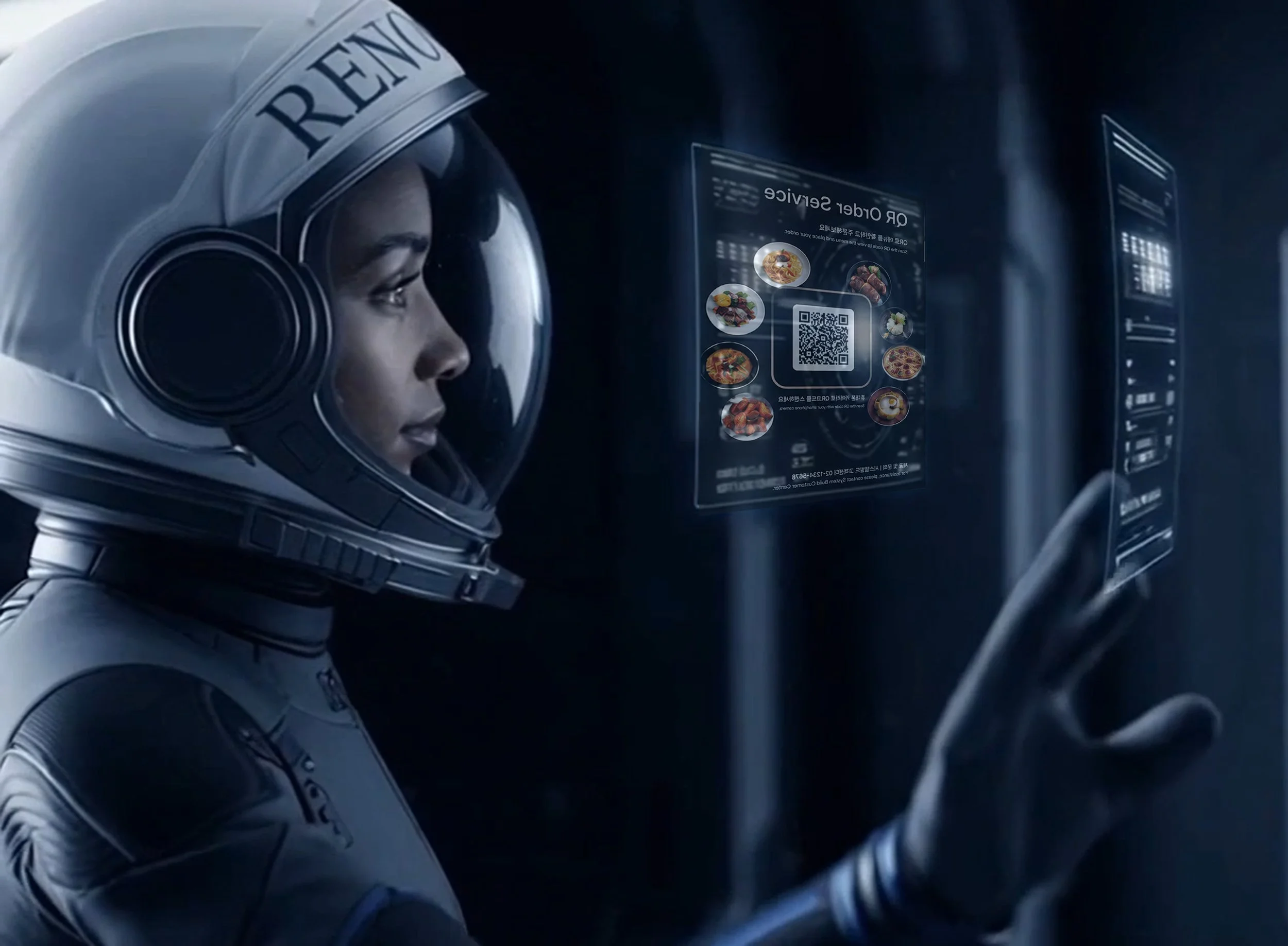
Korea-Based Smart Hotel F&B Automation System
한국 기반 스마트 호텔 F&B 자동화 시스템
韓国発スマートホテルF&B自動化システム
영어 다음에 한국어가 이어집니다.
日本語の後に韓国語が続きます。
INTRODUCTION
Korea is entering a structural transition in hospitality operations.
Rising labor costs, rapid aging demographics, and the normalization of digital consumption are reshaping how hotels operate at a fundamental level.
In this environment, automation is no longer a supporting tool.
It is becoming the core operating system of hospitality.
RENO•VOLT is developing a Korea-based smart hotel F&B automation model that integrates:
QR ordering systems
AI-driven kitchen orchestration
robotic delivery systems
meal-kit based F&B production
into a single operational pipeline.
SYSTEM OVERVIEW
This model transforms the hotel room into a continuous revenue-generating unit.
400-room reference model (Korea deployment baseline):
Estimated additional monthly revenue: ₩35,000,000+
F&B margin structure: ~70%
Meal-kit cost structure: ~30%
Night-time unmanned operation savings: ~₩24,000,000 annually
Validated operational cycle: 6-hour automated night service window
This is not a theoretical framework.
It is based on early-stage operational testing within Korean hotel environments.
1. INDUSTRY SHIFT
AI and the restructuring of service operations
The hospitality industry is moving through a structural inflection point.
Routine service tasks are increasingly automated:
ordering
delivery
basic guest services
night operations
The key shift is not labor replacement.
It is the redesign of operational revenue logic.
➢ Automation expands operational continuity beyond human limitations.
2. LABOR STRUCTURE PRESSURE IN KOREA
Korea’s hospitality sector is experiencing simultaneous pressures:
rapid population aging
increasing labor costs
persistent staffing shortages
unstable night-shift operations
Night operations are particularly vulnerable.
Typical hotel challenges:
2-person night shift cost: ~₩24M/year
inconsistent staffing availability
external delivery dependency (security + hygiene risk)
service gaps between 00:00–09:00
Automated system outcome:
fully unmanned night operation (00:00–09:00)
reduced operational errors via system processing
elimination of external delivery entry points
staff repositioned into guest experience roles
3. REVENUE RECONFIGURATION
From accommodation to consumption infrastructure
Modern hotel guests no longer use hotels only for lodging.
They consume:
food and beverages
entertainment
delivery services
extended stay experiences
However, a significant portion of this spending occurs outside hotel systems.
The structural inefficiency:
Guest consumption → external platforms → lost hotel revenue
SYSTEM RESPONSE
The RENO•VOLT model re-integrates this demand into the hotel ecosystem:
QR-based in-room ordering
internal meal-kit F&B production (70% margin structure)
robotic delivery for uninterrupted service flow
24/7 automated operational continuity
CASE STUDY (KOREA PILOT)
200-room hotel deployment:
Month 1 revenue: ₩4.69M
Month 4 revenue: ₩10.48M (+124%)
Order rate: 9.73%
Average order value: ₩18,830
Projected scale model:
400 rooms
20% order rate
₩30,000 average order value
➢ ₩35,000,000+ monthly F&B revenue potential
4. MEAL-KIT SYSTEM AS INFRASTRUCTURE
Why Korean food becomes a scalable global engine
Meal-kit systems are expanding due to structural convergence:
rising food costs
smaller household sizes
demand for convenience with quality
industrialized food production systems
But meal-kits also introduce a unique behavioral layer:
“minimal cooking participation creates perceived ownership of food.”
This creates a hybrid experience:
convenience + participation
automation + personalization
factory production + home-like experience
GLOBAL CONTEXT
Korean food demand is already validated globally through:
K-culture expansion
international retail distribution
growing food exports
However, supply systems remain fragmented.
Most overseas “Korean food” is:
frozen adaptation
localized reinterpretation
low-authenticity distribution
5. RENO•VOLT STRATEGY
Korea → Global hospitality system export
RENO•VOLT Korea positions this model as an exportable operational system.
TWO-LAYER STRATEGY
① Independent F&B Layer
Direct Korean meal-kit supply to overseas hotels:
establishes supply chain presence
independent of system adoption
builds brand positioning in hospitality F&B
② Integrated System Layer
Full hospitality automation stack:
QR ordering systems
POS/KDS integration
robotic delivery systems
meal-kit F&B engine
Delivered as a complete operational infrastructure package.
POSITIONING
RENO•VOLT functions as:
a hospitality system architect, not a software vendor
CONCLUSION
The convergence of three forces defines this model:
structural labor shortage in Korea
maturation of AI and robotics systems
global demand for Korean food experiences
At this intersection, hospitality is no longer a service model.
It becomes a designed operational system.
RENO•VOLT is positioned at the center of this transition as a system designer of next-generation hospitality infrastructure originating from Korea.
INTRODUCTION
한국은 현재 호텔 운영 구조의 근본적인 전환점에 있다.
인건비 상승, 고령화, 그리고 디지털 소비의 일상화는 호텔 산업의 운영 방식을 재정의하고 있다.
이 환경에서 자동화는 단순한 효율 도구가 아니라
호텔 운영 구조 자체를 구성하는 핵심 시스템으로 변화하고 있다.
RENO•VOLT는 다음 요소들을 통합한 한국 기반 스마트 호텔 F&B 자동화 모델을 개발하고 있다:
QR 주문 시스템
AI 기반 주방 운영
로봇 배달 시스템
밀키트 기반 F&B 생산 구조
SYSTEM OVERVIEW
이 모델은 호텔 객실을 24시간 수익 생성 단위로 전환한다.
400객실 기준 (한국 파일럿 모델):
추가 월 수익: ₩35,000,000+
F&B 마진 구조: 약 70%
밀키트 원가 구조: 약 30%
야간 무인 운영 절감: 연 ₩24,000,000 수준
운영 검증: 6시간 야간 자동화 테스트 사이클
이는 단순한 개념이 아니라
한국 호텔 환경에서 검증되고 있는 초기 운영 모델이다.
1. INDUSTRY SHIFT
AI가 재편하는 서비스 산업
호텔 산업은 구조적 전환기에 들어서 있다.
반복적 서비스 영역은 빠르게 자동화되고 있다:
주문
배달
기본 객실 서비스
야간 운영
중요한 변화는 인력 대체가 아니라
운영 구조와 수익 모델의 재설계이다.
➢ 자동화는 노동을 대체하는 것이 아니라 운영 가능 시간을 확장한다.
2. 한국의 구조적 인력 리스크
한국 호텔 산업은 다음과 같은 구조적 압력에 놓여 있다:
급속한 고령화
인건비 상승
인력 수급 불균형
야간 운영 불안정
특히 야간 운영은 구조적으로 취약하다.
야간 2인 인건비: 연 ₩24M 수준
인력 확보 어려움
외부 배달 의존 (보안/위생 리스크)
00:00~09:00 서비스 공백
자동화 이후 변화:
완전 무인 야간 운영
시스템 기반 주문 처리
외부 라이더 출입 차단
직원 역할 → 고객 경험 중심 전환
3. REVENUE RECONFIGURATION
호텔 객실 = 수익 생성 시스템
현대 호텔 소비 구조는 이미 변화하고 있다.
투숙객은 단순 숙박이 아니라 다음을 소비한다:
음식 및 음료
엔터테인먼트
배달 서비스
체류형 경험
하지만 소비의 상당 부분은 호텔 외부에서 발생한다.
구조적 문제:
투숙객 소비 → 외부 플랫폼 → 호텔 수익 누락
SYSTEM RESPONSE
RENO•VOLT 모델은 이 소비를 호텔 내부로 재통합한다:
QR 기반 객실 주문
밀키트 F&B (약 70% 마진 구조)
로봇 배달 시스템
24시간 자동 운영
CASE STUDY (KOREA PILOT)
200객실 호텔 기준:
1개월차: ₩4.69M
4개월차: ₩10.48M (+124%)
주문률: 9.73%
객단가: ₩18,830
확장 모델:
400객실
주문률 20%
객단가 ₩30,000
➢ 월 ₩35,000,000+ 수익 가능성
4. 밀키트 시스템의 산업적 의미
한식은 인프라가 된다
밀키트 산업은 다음 요소의 결합으로 성장하고 있다:
외식 비용 상승
1~2인 가구 증가
시간 부족 구조
식품 공장화 시스템 발전
소비 구조 특징:
밀키트는 단순 편의식이 아니라
“참여형 조리 경험”을 제공한다.
최소 조리 과정
직접 완성 경험
심리적 소유감
“내가 만들었다”는 경험이 제품 가치를 구성한다.
GLOBAL CONTEXT
한식은 이미 K-culture를 통해 글로벌 수요가 검증되어 있다:
K-드라마
K-팝
글로벌 유통 확장
그러나 공급 구조는 아직 분절되어 있다.
5. RENO•VOLT STRATEGY
한국 → 글로벌 시스템 수출
RENO•VOLT Korea는 이 모델을 단순 솔루션이 아닌
호텔 운영 시스템 자체의 수출 구조로 설계한다.
TWO-LAYER STRATEGY
① 독립 F&B 레이어
한식 밀키트 해외 호텔 직접 공급
시스템 의존 없이 작동
F&B 브랜드 포지셔닝 확보
② 통합 시스템 레이어
QR 주문
POS/KDS
로봇 배달
밀키트 F&B 엔진
➢ 통합 운영 인프라 패키지
POSITIONING
RENO•VOLT는 단순 공급자가 아니라:
호텔 운영 시스템을 설계하는 아키텍트
CONCLUSION
이 시스템은 기술의 문제가 아니다.
핵심은 세 가지 구조가 동시에 존재한다는 점이다:
한국의 구조적 인력 위기
AI/로봇 기술의 실용화
글로벌 한식 수요 증가
이 교차점에서 호텔 산업은 서비스 산업이 아니라
설계된 운영 시스템 산업으로 변화한다.
RENO•VOLT는 그 중심에서
한국에서 시작된 새로운 hospitality operating system을 설계하고 있다.
INTRODUCTION
韓国のホテル業界は現在、構造的な転換点にある。
人件費の上昇、高齢化の加速、そしてデジタル消費の定着が、ホテル運営そのものを再定義している。
この環境において自動化は単なる効率化ではなく、
ホテル運営構造そのものを形成する中核システムへと進化している。
RENO•VOLTは以下を統合した韓国発のスマートホテルF&B自動化モデルを開発している:
QR注文システム
AIキッチンオペレーション
ロボット配送システム
ミールキット型F&B生産構造
SYSTEM OVERVIEW
このモデルはホテル客室を24時間収益を生む単位へと変換する。
400室モデル(韓国パイロット):
追加月間収益: ₩35,000,000+
F&B利益率: 約70%
ミールキット原価構造: 約30%
夜間無人化削減効果: 年間₩24,000,000規模
運用検証: 6時間夜間自動運用サイクル
これは概念ではなく、
韓国のホテル環境で検証されている初期運用モデルである。
1. INDUSTRY SHIFT
AIによるサービス産業の再構築
ホテル産業は構造的転換期に入っている。
反復的な業務はすでに自動化領域に入っている:
注文
配送
基本サービス
夜間オペレーション
重要なのは人材置換ではなく、
収益構造と運営モデルの再設計である。
➢ 自動化は労働を代替するのではなく、運用可能時間を拡張する。
2. 韓国の構造的労働リスク
韓国ホテル業界は以下の圧力に直面している:
急速な高齢化
人件費上昇
人材不足
夜間運営の不安定化
特に夜間帯は構造的に脆弱である。
夜勤2名体制コスト: 約₩24M/年
人材確保困難
外部デリバリー依存(セキュリティ・衛生リスク)
00:00〜09:00のサービス空白
自動化後の変化:
完全無人夜間運用
システムベース注文処理
外部配達員の排除
スタッフの顧客体験集中配置
3. REVENUE RECONFIGURATION
客室=収益生成システム
現代ホテルはすでに宿泊施設ではない。
ゲストは以下を消費している:
飲食
エンターテインメント
デリバリー
滞在型体験
しかしその消費の多くは外部プラットフォームで発生している。
構造的課題:
ゲスト消費 → 外部流出 → ホテル収益化されない
SYSTEM RESPONSE
RENO•VOLTモデルはこの消費をホテル内部に再統合する:
QR注文
ミールキットF&B(約70%マージン構造)
ロボット配送
24時間自動運用
CASE STUDY(韓国パイロット)
200室ホテル:
1ヶ月目: ₩4.69M
4ヶ月目: ₩10.48M(+124%)
注文率: 9.73%
平均単価: ₩18,830
拡張モデル:
400室
注文率20%
単価₩30,000
➢ 月間₩35,000,000+収益ポテンシャル
4. ミールキットの産業的意味
韓国料理はインフラになる
ミールキット産業は以下の要素で拡大している:
外食コスト上昇
単身・少人数世帯増加
時間不足構造
食品工業化の進展
消費構造の特徴:
ミールキットは単なる簡便食ではなく、
「参加型調理体験」である。
最小限の調理
参加プロセス
完成体験
「自分で作った」という感覚が価値を形成する。
GLOBAL CONTEXT
韓国料理はすでにK-cultureによって世界的需要が確立されている:
Kドラマ
Kポップ
グローバル流通拡大
しかし供給構造はまだ分断されている。
5. RENO•VOLT STRATEGY
韓国 → グローバルシステム輸出
RENO•VOLT Koreaはこのモデルを単なるソリューションではなく、
ホテル運営システムそのものの輸出構造として設計する。
TWO-LAYER STRATEGY
① 独立F&Bレイヤー
韓国ミールキットの海外供給
システム非依存型展開
F&Bブランド確立
② 統合システムレイヤー
QR注文
POS/KDS
ロボット配送
ミールキットF&Bエンジン
➢ 統合運用インフラパッケージ
POSITIONING
RENO•VOLTは単なる供給者ではなく:
ホテル運営システムを設計するアーキテクト
CONCLUSION
このシステムの本質は技術ではない。
重要なのは3つの構造の同時成立である:
韓国の労働構造の限界
AI/ロボティクスの実用化
グローバル韓国食需要の拡大
この交差点においてホテル産業はサービス業ではなく、
設計されたオペレーション産業へと変化する。
RENO•VOLTはその中心で、
韓国発の新しいホスピタリティ・オペレーティングシステムを設計している。
RENO•VOLT
Strategic Insights
